Signs You Need an Eye Test in Abuja | Don’t Ignore These Symptoms
Signs You Need an Eye Test in Abuja | Don’t Ignore These Symptoms
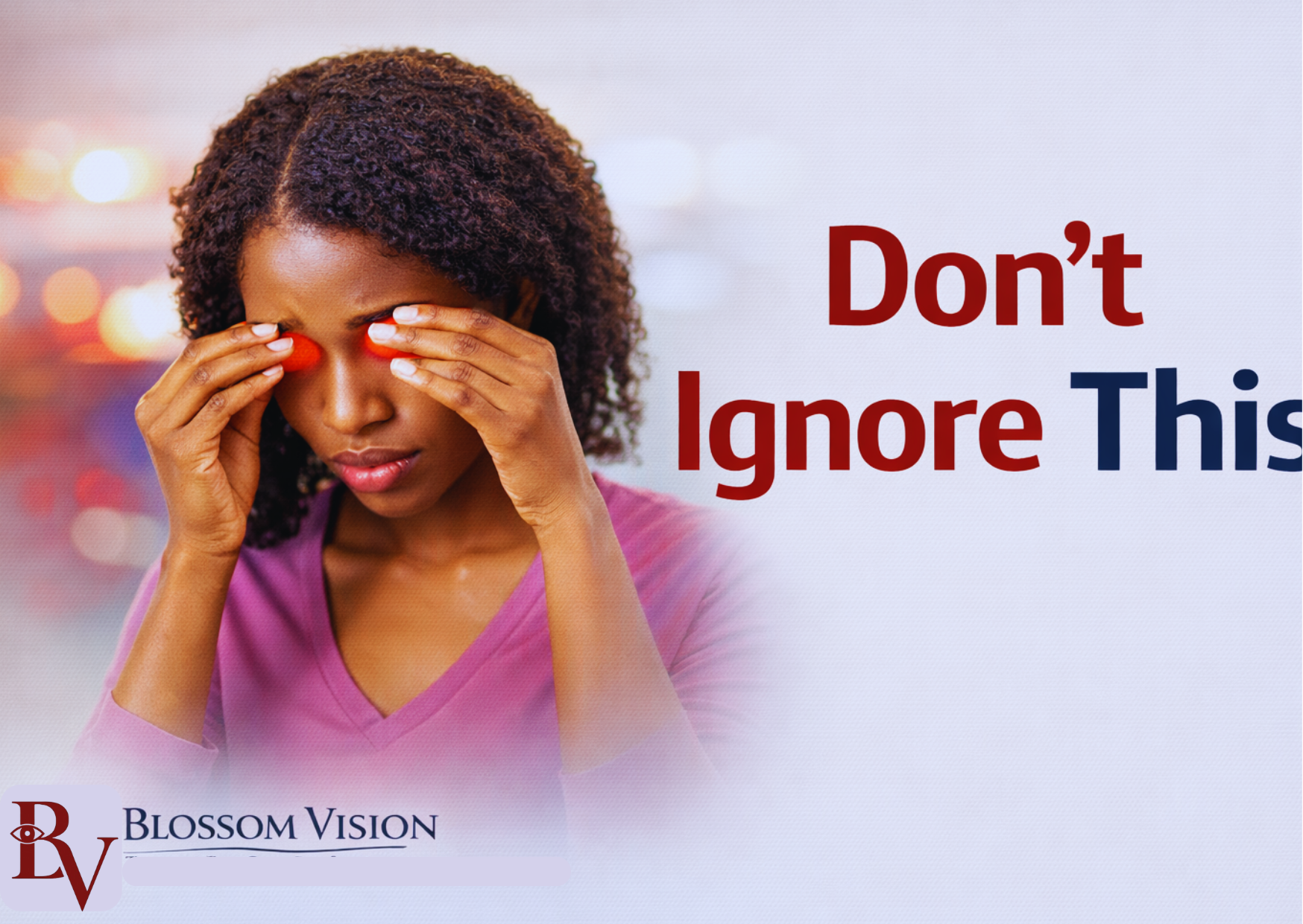
Blurred vision, headaches, eye strain and difficulty seeing at night are obvious reasons to have your eyes checked.
But eye problems do not always announce themselves with clear symptoms.
Conditions such as glaucoma and early diabetic eye disease may develop quietly, which is one reason routine eye examinations remain important even when you feel your vision is fine.
If you have noticed changes in your vision, frequent headaches, eye discomfort, increasing screen strain or it has been a long time since your last eye examination, it may be time to have your eyes checked.
Quick Answer
You may need an eye test if you have:
- Blurry or changing vision
- Frequent headaches
- Eye strain
- Difficulty seeing at night
- Trouble reading
- One eye seeing worse than the other
- New difficulty focusing
- Frequent squinting
- Persistent dry, tired or uncomfortable eyes
- Diabetes
- A family history of glaucoma
- A glasses prescription that no longer feels right
- No recent eye examination
Some eye problems cause noticeable symptoms.
Others can develop with very few symptoms at first.
An eye examination checks more than how clearly you can read letters on a chart. It also gives your optometrist an opportunity to assess your eye health.
1. Your Vision Has Become Blurry
Blurred vision is one of the most obvious reasons people book an eye test.
You may notice:
- Distance signs are harder to read
- Small print has become difficult
- Your phone screen looks less sharp
- Your current glasses no longer work as well
- One eye is clearer than the other
Blurred vision can happen because your glasses prescription has changed.
But it can also occur with dry eye, cataract, diabetes and other eye conditions.
If your vision sometimes becomes blurry and then clears again, read our guide on why vision may go blurry and then clear again.
If one eye is noticeably worse than the other, see our guide on why one eye may be blurrier than the other.
2. You Are Getting Frequent Headaches
Not every headache is caused by the eyes.
However, headaches can sometimes occur when your visual system is working harder than it should.
This may happen when:
- Your glasses prescription is outdated
- You need glasses for the first time
- You spend long hours doing close work
- Your eyes have difficulty working comfortably together
- You use screens for prolonged periods without breaks
Headaches alone cannot tell us the cause.
If they happen regularly, especially after reading, computer work or other visual tasks, an eye examination can help determine if vision is contributing.
3. Your Eyes Feel Tired, Heavy or Strained
Eye strain has become increasingly common with prolonged screen use.
You may notice:
- Heavy eyes
- Difficulty keeping your eyes comfortable
- Burning
- Dryness
- Temporary blurred vision
- Headaches
- Difficulty concentrating
If your eyes frequently feel tired even when you have slept well, read our guide on why your eyes may feel heavy all the time.
People who spend long hours on phones and computers may also benefit from our eye care tips for computer users.
4. You Are Squinting More Often
Squinting temporarily changes the way light enters your eye and can sometimes make blurred vision seem clearer.
You may find yourself:
- Squinting to read road signs
- Moving closer to the television
- Holding your phone closer or farther away
- Narrowing your eyes when reading
- Closing one eye to see better
Frequent squinting can be a sign that your prescription needs checking.
5. You Are Having Difficulty Seeing at Night
Night vision problems may become especially noticeable while driving.
You may experience:
- Difficulty seeing road signs
- Increasing glare from headlights
- Halos around lights
- Reduced confidence driving at night
- Needing brighter light to see clearly
Possible causes include prescription changes, cataract and other eye conditions.
If night vision is gradually becoming worse, an eye examination is sensible.
6. Your Current Glasses No Longer Feel Right
Glasses prescriptions can change over time.
You may notice:
- Blurring even while wearing your glasses
- Headaches
- Eye strain
- Difficulty switching between near and distance vision
- One eye seeming clearer than the other
- Needing to remove your glasses to see certain things
A refraction checks the prescription needed for each eye.
If you are considering a new examination and want to understand the fees first, see our guide on the cost of an eye test in Abuja.
7. Your Vision Keeps Changing
Vision should not repeatedly fluctuate throughout the day without explanation.
Changes may occur with:
- Dry eye
- Digital eye strain
- Blood sugar fluctuations
- Prescription problems
- Contact lens issues
- Other eye conditions
If your eyesight frequently goes blurry and then becomes clear again, that pattern itself is useful information for your optometrist.
Read more about vision that goes blurry then clear again.
8. One Eye Sees Better Than the Other
Many people do not realise that one eye sees poorly because the stronger eye compensates.
You may only notice the difference when you cover one eye.
A difference between the eyes may be caused by:
- Different glasses prescriptions
- A longstanding weaker eye
- Dry eye
- Cataract
- Retinal problems
- Other eye conditions
A small difference can occur, but a significant or new difference deserves assessment.
9. Your Eyes Are Frequently Dry, Burning or Watering
Dry eye does not always feel “dry.”
It can cause:
- Burning
- Grittiness
- Watering
- Tired eyes
- Fluctuating vision
- Redness
- Screen discomfort
Some people are surprised that watery eyes can actually occur because the eye surface is dry and irritated.
If one eye keeps watering more than the other, read our guide on why one eye may keep watering.
10. You Have Diabetes
People living with diabetes need particular attention to their eye health.
Diabetes can affect the retina, and early diabetic eye disease may not cause obvious visual symptoms.
Waiting until vision becomes poor can mean the problem has already progressed.
Our guide to diabetic eye checks in Abuja explains why regular retinal assessment matters for people living with diabetes.
11. You Have a Family History of Glaucoma
Glaucoma is important because many forms develop gradually without obvious early symptoms.
Someone may feel that they see perfectly well while changes are occurring to the optic nerve.
Your risk may be higher if you have:
- A family history of glaucoma
- Increasing age
- Previously raised eye pressure
- Certain medical or eye conditions
A glaucoma assessment may involve more than simply checking eye pressure.
You can learn more from our guide to glaucoma screening in Abuja.
12. You Are Over 40 and Have Not Had Your Eyes Checked Recently
Vision needs often begin to change more noticeably around the 40s.
Many people start finding small print more difficult and may need more light for reading.
Age also changes the risk of several eye conditions.
Being over 40 does not automatically mean something is wrong.
It simply makes regular eye health checks increasingly useful.
13. You Have Not Had an Eye Examination for a Long Time
You do not need to wait until something hurts before having your eyes examined.
An eye test is not only about buying glasses.
A comprehensive examination may assess:
- Your distance vision
- Near vision
- Glasses prescription
- Eye pressure where appropriate
- The front of the eye
- The retina
- The optic nerve
- Eye coordination
- Other parts of your eye health depending on your needs
The recommended frequency is not identical for everyone.
Your age, medical history, family history, symptoms, prescription and previous examination findings all matter.
Your optometrist can advise how often you personally should be reviewed.
Hidden Eye Problems That May Have Few Symptoms
This is one of the most important reasons not to rely entirely on symptoms.
Some eye conditions can begin quietly.
Glaucoma
Many forms of glaucoma do not cause noticeable pain or early central vision loss.
That is why glaucoma assessment relies on proper examination and testing rather than waiting for symptoms.
Diabetic Eye Disease
Early changes in the retina can also occur before a person notices reduced vision.
People living with diabetes therefore benefit from appropriate retinal monitoring even when they feel they can see well.
The lesson is simple:
Seeing clearly does not always prove that every part of the eye is healthy.
Book Appointment
When Should You Book an Eye Test?
You should consider arranging an eye examination if:
- Your vision has changed
- You frequently experience headaches after visual tasks
- Your eyes constantly feel strained
- You struggle to see at night
- Your glasses no longer work well
- One eye sees differently from the other
- You experience repeated dry or watery eyes
- You have diabetes
- You have a family history of glaucoma
- You have not had your eyes checked for a long time
These situations usually need an appointment, but they are not necessarily emergencies.
When Do Eye Symptoms Need Urgent Attention?
Some symptoms are different.
Seek urgent eye or medical assessment if you experience:
- Sudden loss of vision
- A sudden curtain or shadow over your vision
- New flashes of light with many new floaters
- Severe eye pain
- A very painful red eye
- Sudden double vision
- Significant eye injury
- Chemical exposure to the eye
- Sudden blurred vision with weakness, facial drooping or difficulty speaking
New floaters and flashes can sometimes be associated with retinal problems.
Read our guide on black spots and eye floaters to understand the warning signs.
What Happens During an Eye Test at Blossom Vision?
At Blossom Vision Eye Clinic, an eye examination looks beyond whether you can read the smallest letters on a chart.
Depending on your needs, your assessment may include:
- Visual acuity testing
- Glasses prescription assessment
- Eye pressure measurement
- Examination of the front of the eye
- Retinal examination
- Optic nerve assessment
- Dry eye assessment
- Eye muscle or focusing assessment
- Additional tests where clinically appropriate
The purpose is to understand both how well you see and how healthy your eyes appear.
How Often Should I Have My Eyes Tested?
There is no single timetable that is right for everybody.
A healthy person with no symptoms and no major risk factors may not require the same review schedule as someone with diabetes, glaucoma risk, changing vision or an existing eye condition.
Your optometrist may recommend more frequent examinations if you:
- Have diabetes
- Have glaucoma or increased glaucoma risk
- Have significant short-sightedness
- Have an eye condition being monitored
- Have rapidly changing vision
- Use certain medications
- Have previously abnormal examination findings
The safest rule is to follow the review interval recommended after your examination rather than relying on one fixed number for everyone.
How We Help at Blossom Vision Eye Clinic, Abuja
At Blossom Vision Eye Clinic in Games Village, Abuja, our optometrists take time to understand how your vision affects your daily life.
We want to know:
- What has changed
- When the symptoms started
- What makes them better or worse
- How you use your eyes for work, screens, reading and driving
- Your medical and family eye history
We then examine your eyes and explain the findings in clear language.
If you need glasses, dry-eye care, glaucoma monitoring, further investigation or specialist referral, the next step can be based on what the examination actually shows.
Frequently Asked Questions
Can I see clearly and still have an eye problem?
Yes. Some eye conditions may cause few noticeable symptoms in their early stages. Clear central vision alone does not guarantee that every part of the eye is healthy.
Does a headache mean I need glasses?
Not necessarily. Headaches have many causes. However, if headaches occur regularly during reading, screen use or other visual tasks, an eye examination can check if vision is contributing.
How do I know if my glasses prescription has changed?
Possible signs include blurred vision, squinting, headaches, eye strain or your glasses simply no longer feeling as clear or comfortable as they used to.
Can screen use damage my eyes?
Long periods of screen use commonly contribute to digital eye strain and dry-eye symptoms. Regular breaks, appropriate viewing distance and correcting any underlying prescription problem can improve comfort.
How often should I test my eyes?
It depends on your age, eye health, medical history, symptoms and risk factors. Your optometrist should recommend the appropriate review interval for you.
Should people with diabetes have eye examinations even if they can see clearly?
Yes. Diabetic retinal changes can begin before a person notices obvious vision loss, so appropriate retinal monitoring is important.
What are the signs of glaucoma?
Many common forms of glaucoma have few or no noticeable early symptoms. This is why glaucoma is detected through examination and appropriate testing rather than waiting for symptoms.
How much does an eye test cost in Abuja?
Fees depend on the type of assessment needed. You can see our current guide to eye test costs and what is included at Blossom Vision Eye Clinic.
Don't Wait Until Your Vision Becomes Poor
Your eyes do not always give you an obvious warning before something changes.
Blurred vision, frequent headaches, eye strain and difficulty seeing at night are reasons to pay attention.
But routine eye care also matters because some eye conditions can develop quietly.
At Blossom Vision Eye Clinic in Games Village, Abuja, we provide comprehensive eye examinations designed to check both your vision and your eye health.
If it has been a long time since your last examination, or you have noticed a change in your eyes or vision, book your comprehensive eye examination today.